What the May heatwave did to your roof (and what to check this week)
Last week's heatwave was the hottest May on record in this part of the country. Roofs felt it. Here's what to look for now, before autumn arrives.
What heat does to roof materials
Most homeowners think of roof damage as a winter problem. Frost, ice, heavy rain. But a sustained heatwave, particularly one as sharp as May 2026, puts real stress on every material up there.
Lead expands in heat and contracts as it cools. Over a long hot spell, that movement is significant. Lead flashings around chimneys, valleys, and dormers can pull away from the mortar that holds them, or develop hairline cracks at folds and joints. On older properties across Henley and the surrounding villages, a lot of that lead has been in place for decades. It's had many summers. But record temperatures push it further than usual.
GRP
flat roofs
(fibreglass) are vulnerable to UV degradation over time. A prolonged heatwave accelerates that process. The surface can begin to chalk or blister, and any existing micro-cracks will have widened as the material expanded.
Felt roofs, particularly on 1960s and 70s extensions, soften in high heat. As the temperature drops overnight, that felt can shrink slightly. Repeated over several days, this pulls seams apart and creates splits at edges and upstands.
Mortar bedding on ridge tiles and verges dries out fast in sustained heat. Older mortar, already porous, loses its remaining moisture content and becomes friable. What looked solid in April may have crumbled by June.
Timber in the roof structure moves too. Rafters and battens absorb heat and expand, then contract overnight. On period properties with original timbers, this movement can shift tiles that were already sitting loosely.
None of this means your roof has failed. But the stress has been applied. The question is whether it has shown.
The five visible signs of heat damage to look for now
You don't need to go on the roof to do a first check. Start from the ground with a pair of binoculars, and look carefully at each of the following.
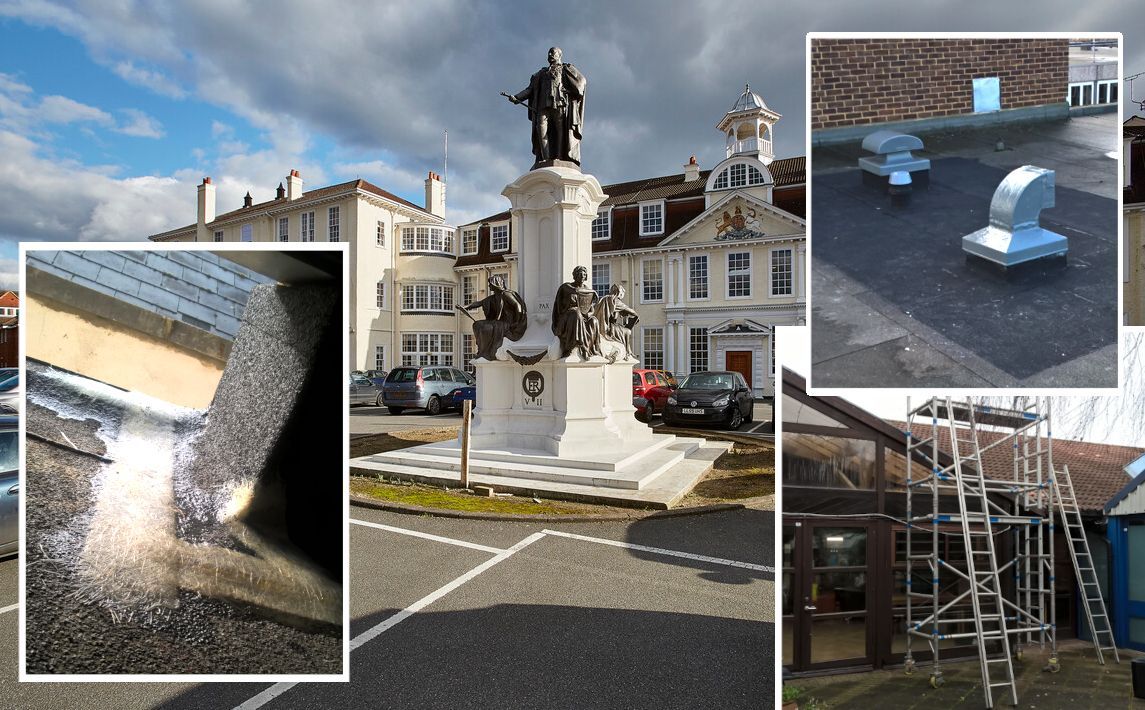
Cracked or lifted lead flashings. Look at the joints where your roof meets a chimney stack, a parapet wall, or a dormer. Lead flashings should sit flat and tight. If you can see a gap, a lifted edge, or a crack running along a fold, that needs attention. Water will find it in the first autumn downpour.
Lifted or displaced tiles. A tile that has shifted even a centimetre can let water in. Look along the ridge line and down the slopes. Any tile sitting higher than its neighbours, or at an angle, has moved. On Victorian terraces in Reading and Caversham, where roofs are steep and tiles are bedded on lime mortar, movement after a heatwave is not unusual.
Splits in felt or GRP.
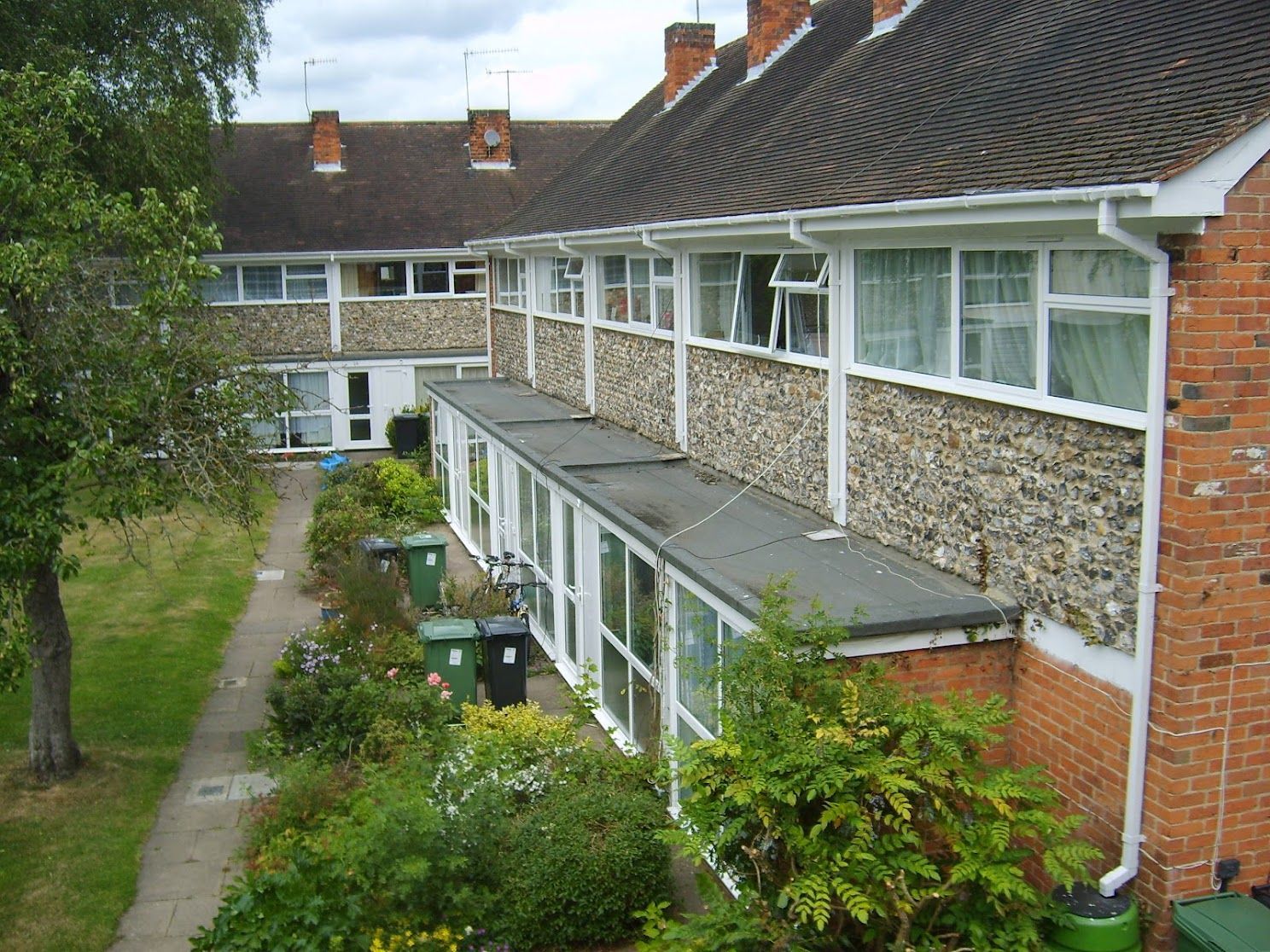
If you have a flat roof on a rear extension, walk out and look at it from an upstairs window if you can. You're looking for bubbles, splits, or areas where the surface has gone white and chalky. On a 1960s or 70s extension with original felt, a hot May is exactly the kind of event that tips ageing material into failure.
Mortar gaps at ridges and verges. The ridge is the line of tiles running along the top of your roof. The verges are the edges at each gable end. Both are bedded in mortar. Look for gaps, missing chunks, or sections where the mortar has crumbled away. A gap at a ridge tile is a direct route for water into the roof void.
Displaced lead aprons.
These sit at the base of chimney stacks and around soil pipes. They're often the first to move in a heatwave because they're exposed to full sun. If an apron has lifted or buckled, the seal is broken.
Why heat damage often shows up weeks later
This is the part most people don't expect. You get through the heatwave, the weather breaks, and you think the worst is over. Then a leak appears in August, or you notice a damp patch in September, and you wonder where it came from.
The answer is thermal cycling.
When temperatures swing, materials expand and contract repeatedly. After a heatwave like May 2026, the roof doesn't just go back to where it was. Materials that have been pushed to their limits don't always return to their original positions. A lead flashing that lifted slightly will have let in a small amount of moisture each time it moved. Mortar that cracked under heat will continue to crumble as cooler, wetter weather arrives.
The effect is cumulative. A roof that looked fine during the heatwave may develop a visible problem four or six weeks later, when the thermal cycling has completed its work and rain starts probing the gaps.
This is why a post-heatwave check matters now, in late June, rather than waiting until something goes wrong in October. By then, the damage has had months to develop. Water may have reached timbers, insulation, or ceilings. What would have been a straightforward repair in summer becomes a bigger job in autumn.
We've been working across the Thames Valley since 1985. In forty years, we've seen this pattern after every significant heatwave. The homeowners who act early spend less.
When to call us, and when to monitor
Not everything you spot needs immediate attention.
If you can see a clear gap in a flashing, a displaced tile, or crumbled mortar at a ridge, that's worth getting looked at now. These are open routes for water. A wet summer or an early autumn storm will find them.
If you can see a small area of chalking on a GRP roof, or a tile that looks slightly high but is otherwise intact, it's reasonable to have it inspected and assessed rather than assuming the worst.
The key is knowing what you're looking at. A
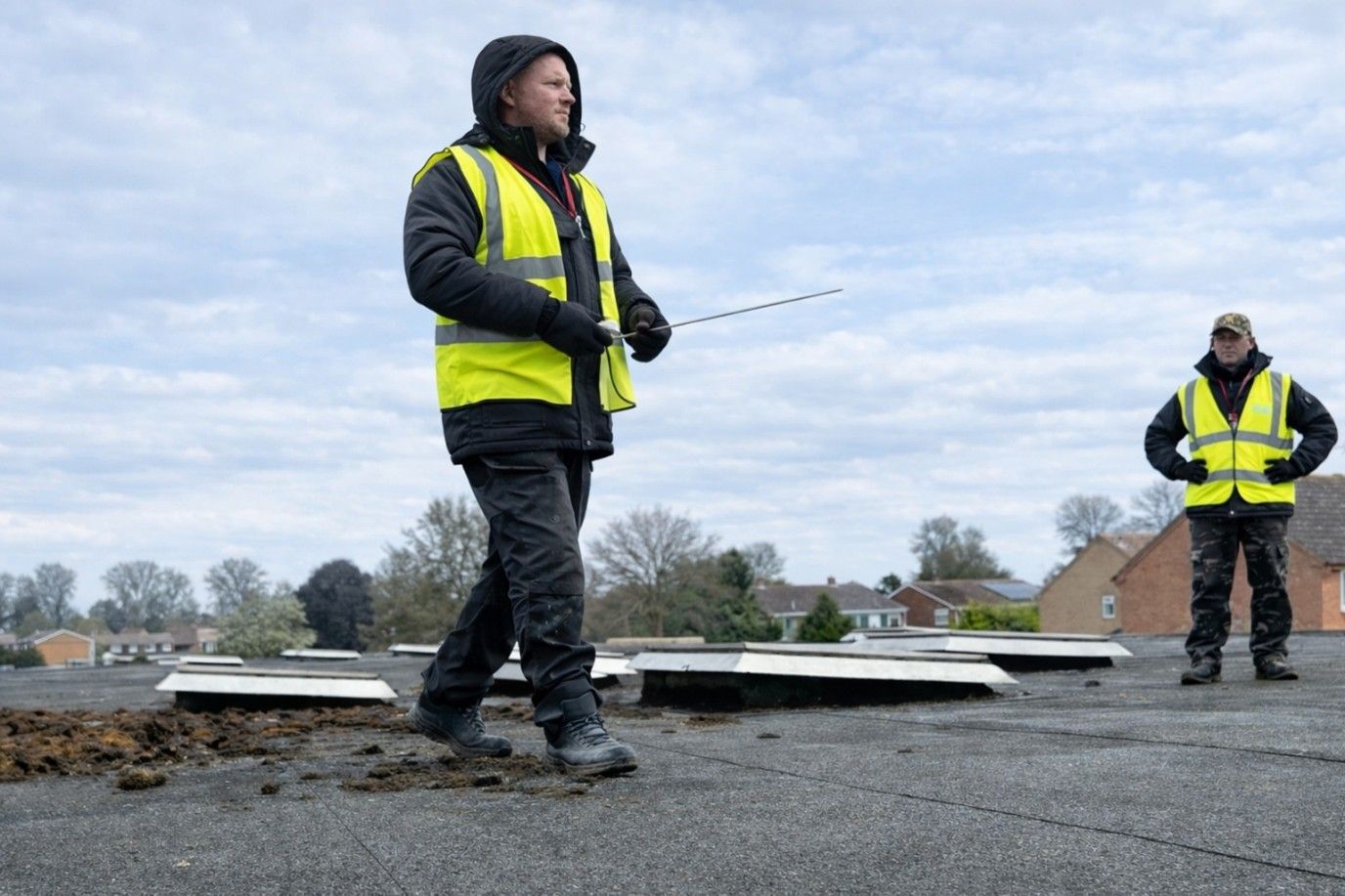
photographic roof inspection gives you a clear record of what's there, what's changed, and what needs doing. As
NFRC-accredited contractors, we work to
British Standard 5534 on all tiled and slated roof work. That means our assessments are grounded in what the standard actually requires, not guesswork.
If you're in Nettlebed, Sonning Common, Wargrave, or anywhere else in the villages around Henley and Reading, the same heat hit your roof. The property type matters more than the postcode. Period properties with mortar bedding, Victorian terraces with original lead, and 1960s extensions with felt are the ones to prioritise.
If you're unsure, call us. We'd rather tell you everything is fine than have you find out it isn't when the ceiling comes down.
Book your free post-heatwave roof report
The simplest thing you can do this week is book a free photographic roof report. We carry out the inspection, photograph every area of concern, and have the report back to you within 48 to 72 hours. There's no charge and no obligation.
If something needs
roof repair, we'll tell you exactly what, why, and what it will cost. If everything is fine, you'll have a photographic record of your roof's condition taken in the summer of 2026.
For
roofers in Henley and across the Reading area,
contact us
through the website to book your inspection now, while the heatwave is fresh and any damage is easiest to catch.