Emergency Call-Out in Henley-on-Thames: Rescuing a Storm-Damaged Slate Roof (and Undoing a Botched “Fix”)

September 24, 2025

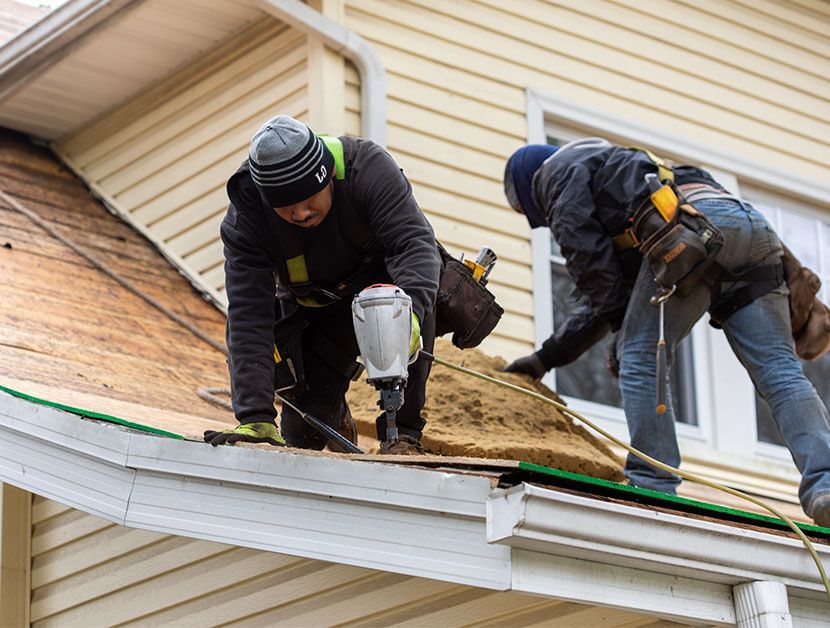
When a sudden squall tore through Henley-on-Thames last week, a customer watched in panic as wind lifted slates and water was pouring into the loft because of sub-standard work carried out by a previous contractor. We took the call at 7:10 pm and were on site by 8:00 pm - harnesses on, roof ladders up, and a make-safe plan ready before the next band of rain hit.


What We Found on Arrival

  • Roof type: Natural slate (traditional nailed slate covering).
  • Storm damage: Missing and slipped slates on the windward slope, torn underlay, cracked battens, and water ingress to loft insulation.
  • Complication: A recent “repair” had been carried out by a contractor with no traceable registration or recognised accreditation. The methods used were not appropriate for a slate roof, leaving the area in significant disrepair. We rectified the unsafe elements, made the property watertight, and rebuilt the area to best practice.
     

Same-Evening Make-Safe

Our priority was to stop the water and eliminate hazards - properly. We:

  • Removed the unsafe patch and loose fragments the previous team left behind.
  • Installed a heavy-duty breathable temporary covering, fixed to sound timbers (not through the laps), with controlled, storm-resistant weighting.
  • Secured vulnerable courses of slate and set up internal drip protection to keep the ceiling dry overnight.
    Result: The leak stopped that night, and the customer finally got some sleep.


Permanent Slate Repair (Next Day)

With a dry window in the morning, we completed a full, durable repair:

  1. Strip-back to sound fabric: We carefully lifted the affected slate courses and ridge area to expose torn underlay and failed battens.
  2. Renew the substrate: Replaced damaged battens to current best practice and fitted breathable underlay with correct headlaps.
  3. Re-slate to match: Installed like-for-like natural slates, fixed with copper nails and stainless fixings where required, maintaining the correct nailing pattern and bond.
  4. Storm-secure ridge: Upgraded to a mechanically-fixed dry ridge solution for better ventilation and wind uplift resistance (no mortar to crack or wash out).
  5. Leadwork check: Re-dressed and sealed the lead at the abutment for a clean, watertight finish.
  6. Runoff restored: Cleared gutters/valleys so storm water moves off the roof as designed.


Why the Previous “Repair” Failed

  • Membrane pierced: Nailing through underlay invites leaks.
  • Adhesives on slate: Mastic and random cement smears don’t substitute for correct slate fixing and laps.
  • No controlled laps/coverage: Wind can get under poorly lapped courses and lift slates again.
  • Water traps: Debris and smeared mortar blocked drainage paths, pushing water sideways into the roof.


The Outcome

By late afternoon, the roof was watertight, tidy, and more storm-resilient than before. Because the make-safe happened immediately, the ceiling below dried without staining.  
We documented the before/after with photos for the customer’s records and insurance.


From panic to relief in a couple of hours. The first repair we’d been told was ‘done’ clearly wasn’t—but your team sorted everything properly, and the roof looks better than before the storm.
— J., Henley-on-Thames


Quick Tips for Slate Roofs Before/After Storms

  • Scan ridge lines and windward slopes for slipped or “fluttering” slates.
  • Keep valleys and gutters clear so water can’t back up into laps.
  • Avoid DIY patches and stop-gaps that pierce the membrane or trap water.
  • Consider dry-fix upgrades on exposed ridges for better wind resistance.
  • Book a rapid post-storm check - small slate issues escalate quickly in high winds.


Before you hire a roofer, check:

  • Company details: A real business name/number and a traceable address (Companies House listing if LTD/LLP).
  • Insurance: Current public liability insurance (ask for the certificate).
  • Trade affiliations: Membership of recognised bodies (e.g., NFRC) or written proof of competence.
  • Written scope & warranty: Clear specification, materials, and guarantees in writing.
  • References & reviews: Recent local jobs you can verify.


If you’re in Henley-on-Thames or nearby and a storm has hit your slate roof, we offer fast, professional make-safe call-outs followed by long-lasting, standards-led repairs. We’ll get you watertight - properly.
December 17, 2025
Storms are a fact of life in the UK — strong winds, heavy rain, and sudden temperature changes can all take a toll on your roof. While some damage is obvious, much of it isn’t. In fact, many serious roofing issues start small and go unnoticed until they turn into costly repairs. If your area has recently experienced a storm, here’s what you should check straight away to make sure your roof is still protecting your home properly. 1. Look for Missing or Dislodged Tiles High winds are one of the biggest causes of roof damage. Even if tiles haven’t completely fallen off, they can shift, crack, or lift slightly. What to look for: Gaps where tiles should be Tiles that appear uneven or out of line Broken or cracked tiles on the ground Missing or loose tiles leave your roof exposed, allowing water to seep in during the next rainfall. 2. Check for Leaks or Damp Inside Your Home Roof damage doesn’t always show immediately on the outside. Often, the first signs appear indoors. Check: Ceilings for water stains or discolouration Loft or attic spaces for damp patches Walls near the roofline for bubbling paint or peeling wallpaper Even a small leak can cause long-term structural damage if ignored. 3. Inspect Flashings and Roof Edges Flashings (the metal strips around chimneys, vents, and roof joints) are designed to keep water out — but storms can loosen or bend them. Warning signs include: Lifted or missing flashing Visible gaps around chimneys Water staining near roof joints Damaged flashing is one of the most common causes of post-storm leaks. 4. Don’t Forget Gutters and Downpipes Storm debris can block gutters, causing rainwater to overflow back onto your roof or walls. After a storm, check for: Overflowing or sagging gutters Detached or cracked downpipes Large amounts of leaves or debris Blocked gutters can lead to damp walls, rotting fascia boards, and roof edge damage. 5. Check Ridge Tiles and Roof Peaks Ridge tiles (the tiles at the very top of the roof) are particularly vulnerable in strong winds. Look out for: Loose or missing ridge tiles Cracks in mortar Tiles that appear to have shifted If ridge tiles fail, water can enter directly into the roof structure. 6. Be Careful — Safety First It’s important not to climb onto your roof unless you’re trained and equipped to do so. Wet surfaces, loose tiles, and hidden damage can be extremely dangerous. A visual check from ground level is usually enough to spot warning signs — anything more should be handled by a professional. When to Call a Professional Roofer If you notice any of the above issues — or even if you’re unsure — it’s best to get a professional inspection. What looks minor now can quickly become a major repair if left unchecked. ✅ Our advice: A quick post-storm roof inspection can: Catch small problems early Prevent water damage and mould Save money on larger repairs later If you’d like peace of mind after a storm, we offer honest, professional roof inspections and repairs , with clear advice and no unnecessary work. 👉 Get in touch with us today for a friendly check or quote — before small damage turns into a big problem.
November 11, 2025
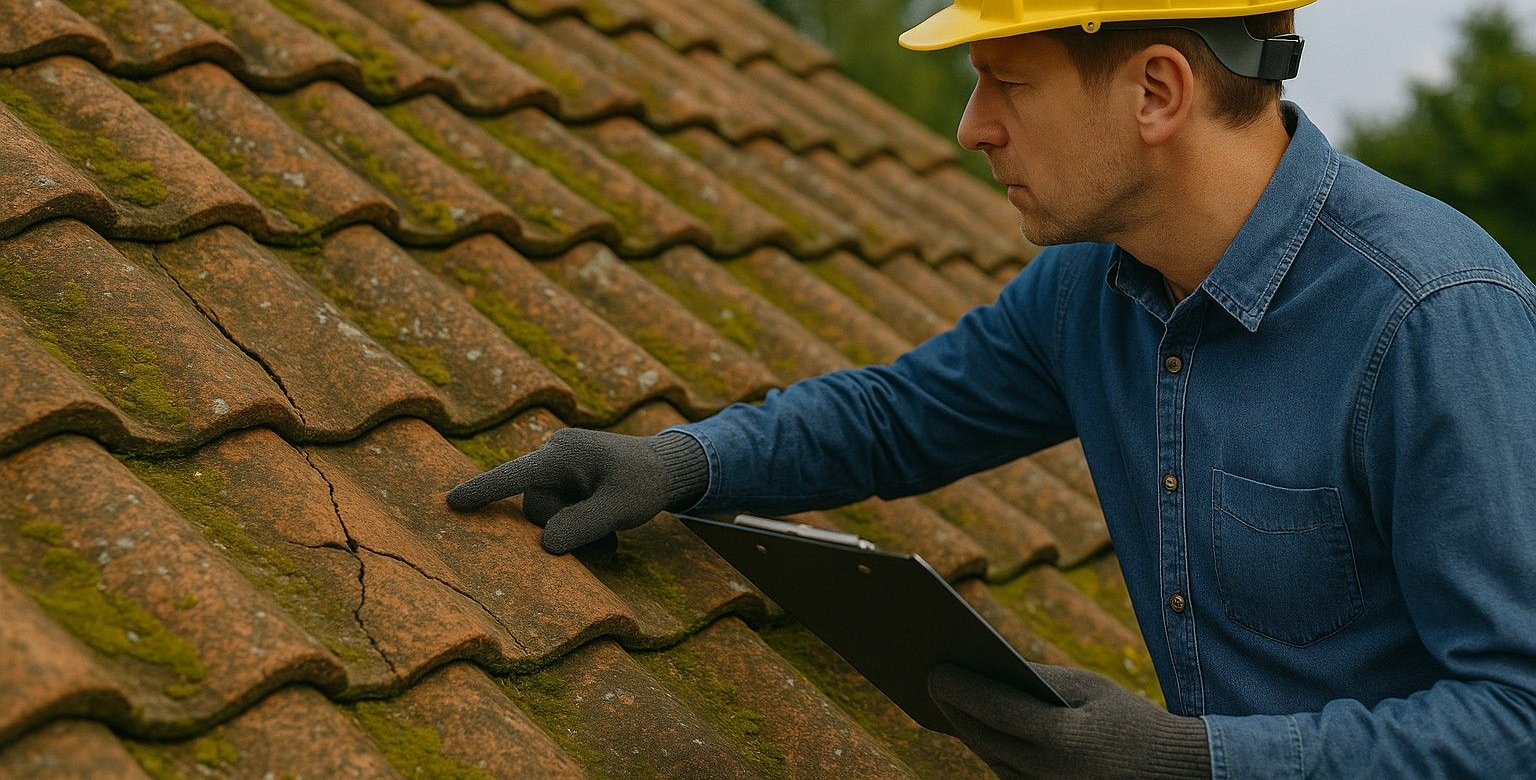
Learn how to spot early signs of roof damage - from cracked clay tiles and moss growth to hidden leaks. Discover expert tips from Bondright Roofing to protect your home and avoid costly repairs across Berkshire and Oxfordshire.
Podcast cover art for The Roofing show with Danny Madden of Fix Radio
September 17, 2025
Danny Madden talks to Malcolm Morrell from Bondright Roofing about the different places of worship they've worked on and the unique challenges with each.
By Bondright Roofing May 27, 2025
Let’s dive into the fascinating history of wooden shingle roofing and why it continues to be a beloved choice today.
By Bondright Roofing February 19, 2025
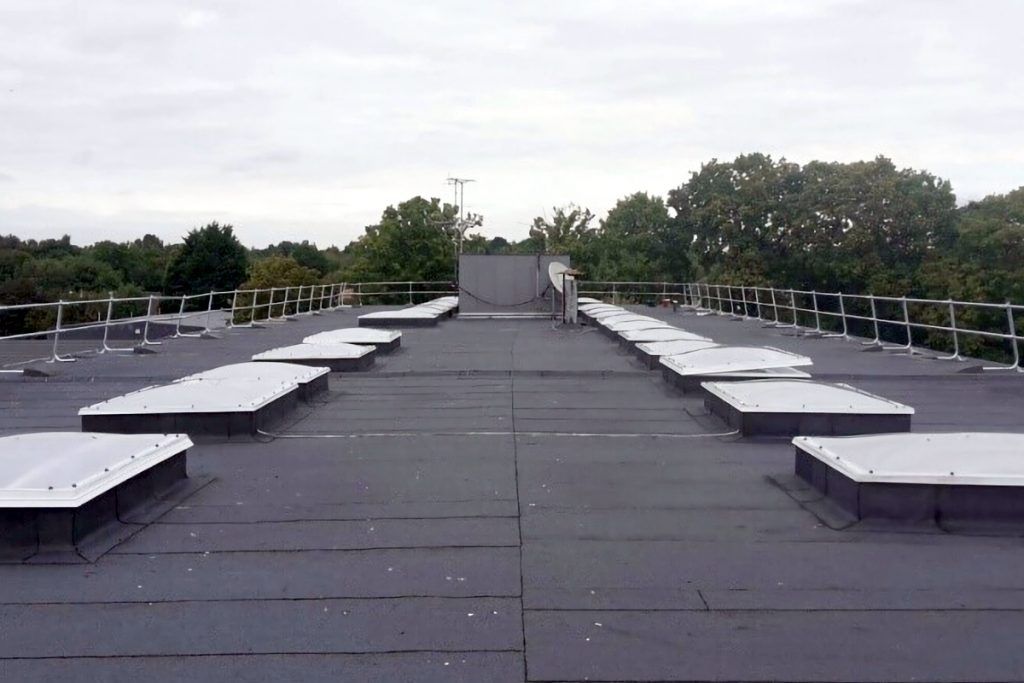
Flat roofs are a popular choice for both residential and commercial properties across Berkshire, Oxfordshire, London, and the Home Counties. They offer a sleek, modern look and can be more cost-effective than pitched roofs. However, choosing the right materials and maintaining a flat roof properly is crucial for long-term durability.
By Bondright Roofing October 28, 2024
Nestled along the banks of the River Thames, Henley-on-Thames is a historic town renowned for its stunning architecture, charming ambiance, and, of course, its world-famous Henley Royal Regatta. But beyond the rowing races and scenic riverside views, Henley boasts a rich history that can be observed in the buildings and structures that make up the town. Roofing, as an integral aspect of Henley’s architecture, offers an intriguing insight into the town’s evolution, from medieval times to today’s modern structures. Let’s dive into the fascinating history of Henley roofing and its unique connection to the town’s character.
By Bondright Roofing September 18, 2024
Your roof protects your home from the elements, but it won’t last forever. Recognizing when it’s time to replace it can save you from expensive repairs and keep your home safe and energy-efficient.
By Bondright Roofing September 18, 2024
When thinking about home energy efficiency, many focus on windows, insulation, or HVAC systems, but your roof plays a crucial role too. A well-maintained roof can reduce energy costs, improve comfort, and promote sustainability.