How to Spot Roof Damage Before It Becomes a Problem

November 11, 2025

Learn the early warning signs of roof damage - from cracked tiles to hidden leaks - so you can protect your home and avoid costly repairs.

Your roof is your home’s first line of defence against rain, wind, and the unpredictable UK weather. But like any part of your property, it needs attention. Spotting early signs of damage can save you thousands in repairs and prevent serious structural issues down the line.

Here’s how to recognise the tell-tale signs before they turn into bigger problems.


🔍 1. Look for Missing or Cracked Tiles

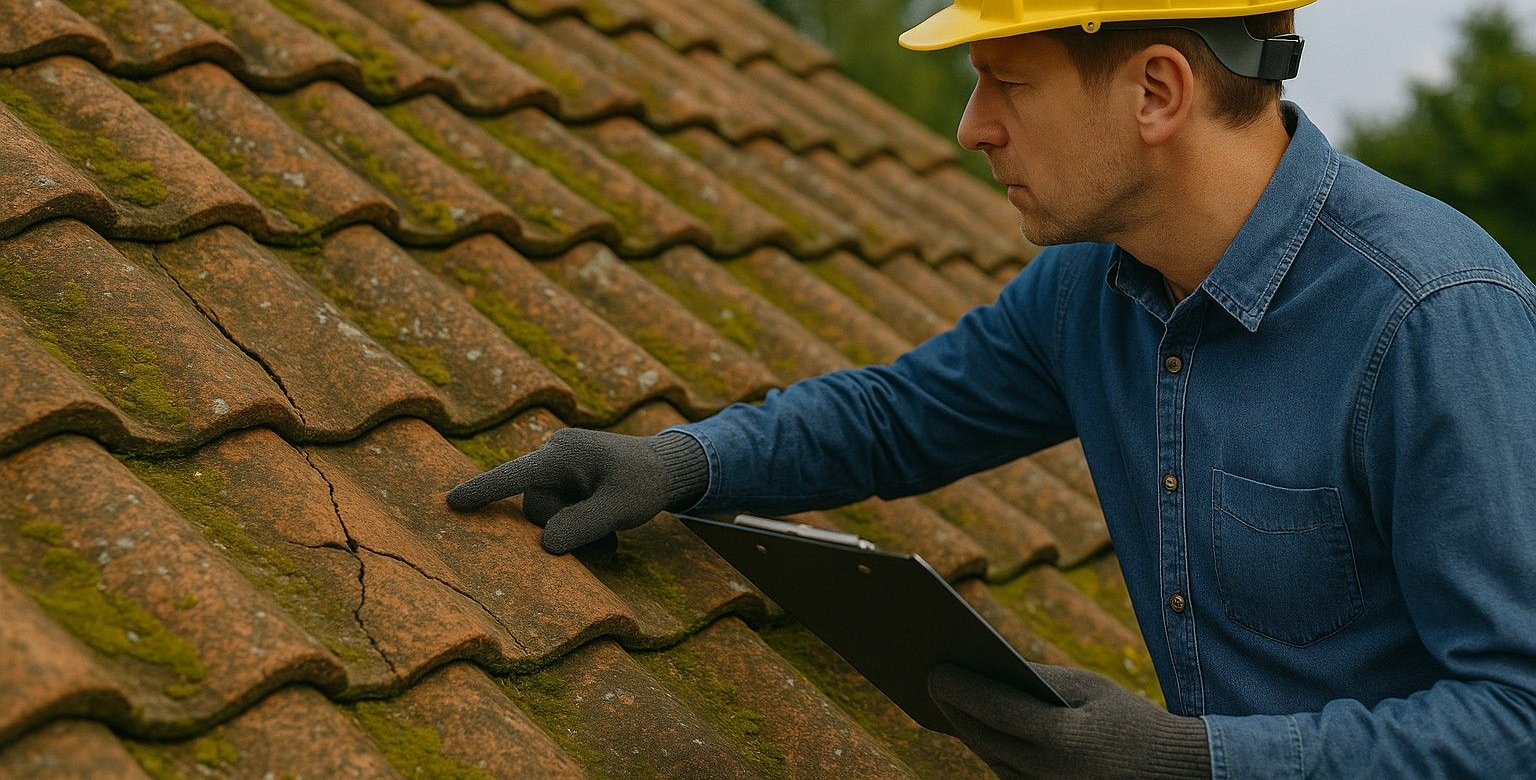
Even a single cracked or missing tile can let in water, leading to rot and damp patches inside. Check your roof visually from the ground or with binoculars after heavy wind or storms.
If you see slipped or broken tiles, it’s time to call a professional roofer before leaks spread.


🌿 2. Watch Out for Moss and Algae Growth

A little moss may seem harmless, but it traps moisture, slowly eroding roof materials and loosening tiles.
If your roof looks green or patchy, consider a safe cleaning or treatment service - never pressure wash tiles directly.


💧 3. Check Your Loft for Damp or Light

Head into your loft on a sunny day. If you see sunlight streaming through or notice damp smells, stains, or insulation that feels wet, water may already be seeping in.
Catching this early prevents mould, rot, and insulation damage.


🧱 4. Examine Flashing and Chimneys

Roof flashing (the metal or sealant around chimneys and skylights) is a common weak point. Cracks or lifting in this area can quickly lead to leaks.
Re-sealing or replacing flashing is a simple, affordable job - if done early.


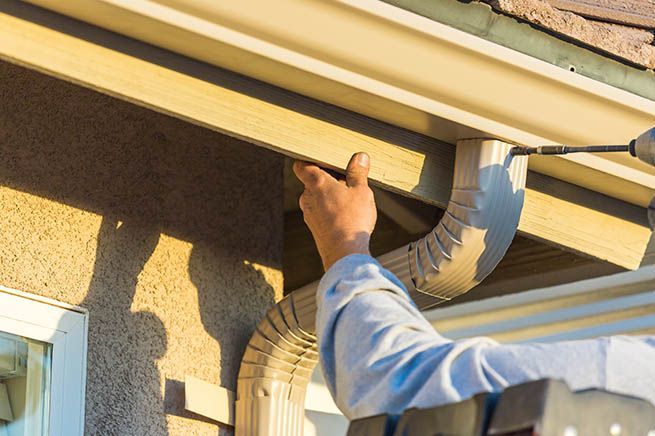
💦 5. Inspect Gutters and Downpipes

Overflowing or clogged gutters cause water to pool under tiles and damage fascia boards.
Clean them regularly, especially in autumn, and make sure water drains freely away from the house.


⚡ 6. Notice Interior Signs - Stains or Bubbling Paint

Brown ceiling stains, peeling wallpaper, or bubbling paint are classic symptoms of hidden roof leaks.
By the time these appear, the issue is often more advanced, so act immediately.


🧰 7. Schedule Regular Roof Inspections

Most homeowners only think about their roof when something goes wrong.
At Bondright Roofing, we recommend a
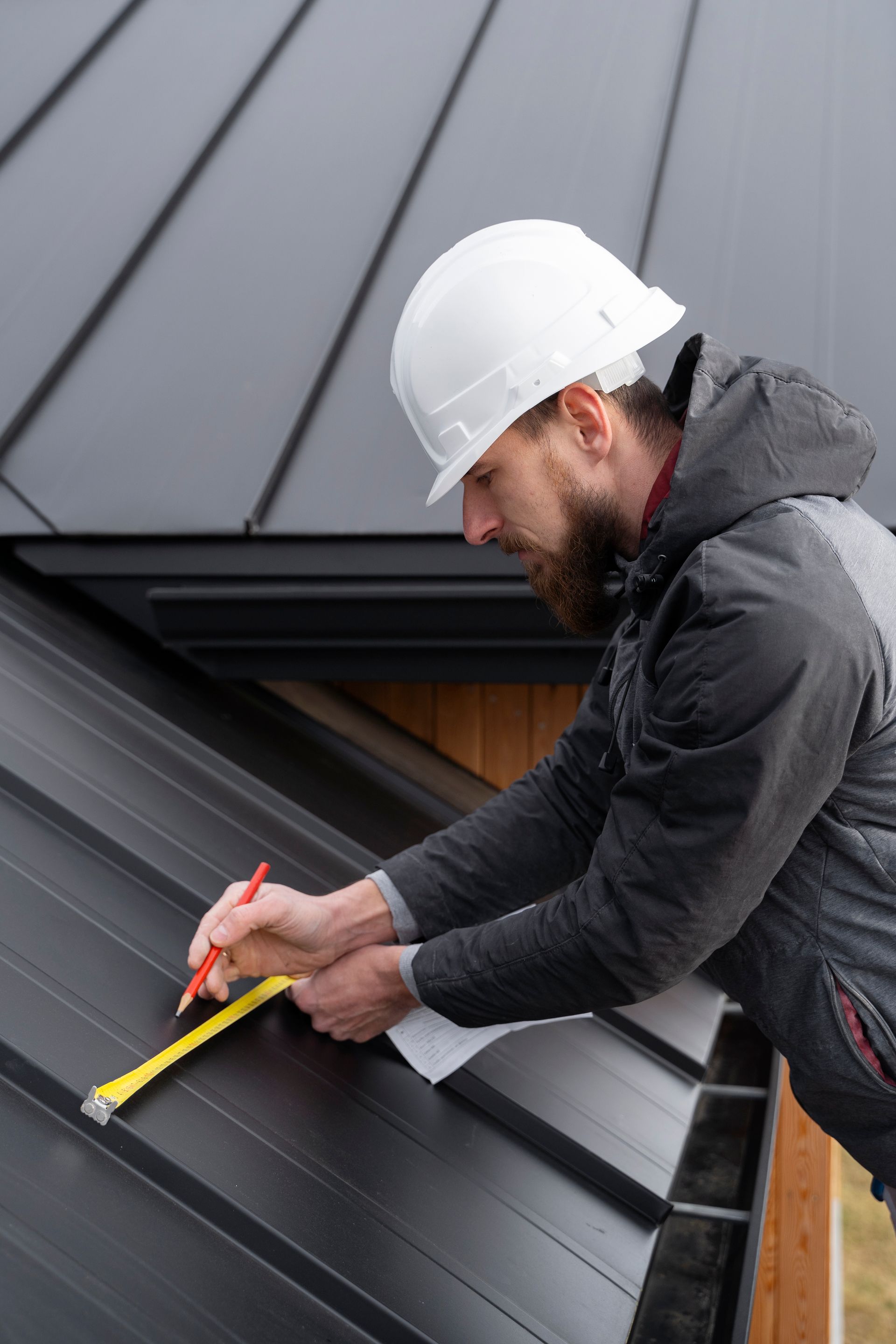
professional regular roof inspection, especially  after severe weather. This helps spot hidden wear before it becomes visible damage.


✅ Final Tip: Prevention Is Always Cheaper

Replacing a few tiles or repairing flashing costs far less than re-roofing after prolonged neglect.
So, even if your roof “looks fine,” early maintenance can save you money and stress.


📞 Need help assessing your roof?
Contact
Bondright Roofing, your local NFRC-approved, long term track record roofing specialists, for a free visual inspection and honest advice.
TELEPHONE:  01491 579 659

EMAIL:  admin@bondrightroofing.co.uk
December 17, 2025
Storms are a fact of life in the UK — strong winds, heavy rain, and sudden temperature changes can all take a toll on your roof. While some damage is obvious, much of it isn’t. In fact, many serious roofing issues start small and go unnoticed until they turn into costly repairs. If your area has recently experienced a storm, here’s what you should check straight away to make sure your roof is still protecting your home properly. 1. Look for Missing or Dislodged Tiles High winds are one of the biggest causes of roof damage. Even if tiles haven’t completely fallen off, they can shift, crack, or lift slightly. What to look for: Gaps where tiles should be Tiles that appear uneven or out of line Broken or cracked tiles on the ground Missing or loose tiles leave your roof exposed, allowing water to seep in during the next rainfall. 2. Check for Leaks or Damp Inside Your Home Roof damage doesn’t always show immediately on the outside. Often, the first signs appear indoors. Check: Ceilings for water stains or discolouration Loft or attic spaces for damp patches Walls near the roofline for bubbling paint or peeling wallpaper Even a small leak can cause long-term structural damage if ignored. 3. Inspect Flashings and Roof Edges Flashings (the metal strips around chimneys, vents, and roof joints) are designed to keep water out — but storms can loosen or bend them. Warning signs include: Lifted or missing flashing Visible gaps around chimneys Water staining near roof joints Damaged flashing is one of the most common causes of post-storm leaks. 4. Don’t Forget Gutters and Downpipes Storm debris can block gutters, causing rainwater to overflow back onto your roof or walls. After a storm, check for: Overflowing or sagging gutters Detached or cracked downpipes Large amounts of leaves or debris Blocked gutters can lead to damp walls, rotting fascia boards, and roof edge damage. 5. Check Ridge Tiles and Roof Peaks Ridge tiles (the tiles at the very top of the roof) are particularly vulnerable in strong winds. Look out for: Loose or missing ridge tiles Cracks in mortar Tiles that appear to have shifted If ridge tiles fail, water can enter directly into the roof structure. 6. Be Careful — Safety First It’s important not to climb onto your roof unless you’re trained and equipped to do so. Wet surfaces, loose tiles, and hidden damage can be extremely dangerous. A visual check from ground level is usually enough to spot warning signs — anything more should be handled by a professional. When to Call a Professional Roofer If you notice any of the above issues — or even if you’re unsure — it’s best to get a professional inspection. What looks minor now can quickly become a major repair if left unchecked. ✅ Our advice: A quick post-storm roof inspection can: Catch small problems early Prevent water damage and mould Save money on larger repairs later If you’d like peace of mind after a storm, we offer honest, professional roof inspections and repairs , with clear advice and no unnecessary work. 👉 Get in touch with us today for a friendly check or quote — before small damage turns into a big problem.
Emergency roof repair Henley
September 24, 2025
When a sudden squall tore through Henley-on-Thames last week, a customer watched in panic as wind lifted slates and water was pouring into the loft because of sub-standard work carried out by a previous contractor. We took the call at 7:10 pm and were on site by 8:00 pm - harnesses on, roof ladders up, and a make-safe plan ready before the next band of rain hit.
Podcast cover art for The Roofing show with Danny Madden of Fix Radio
September 17, 2025
Danny Madden talks to Malcolm Morrell from Bondright Roofing about the different places of worship they've worked on and the unique challenges with each.
By Bondright Roofing May 27, 2025
Let’s dive into the fascinating history of wooden shingle roofing and why it continues to be a beloved choice today.
By Bondright Roofing February 19, 2025
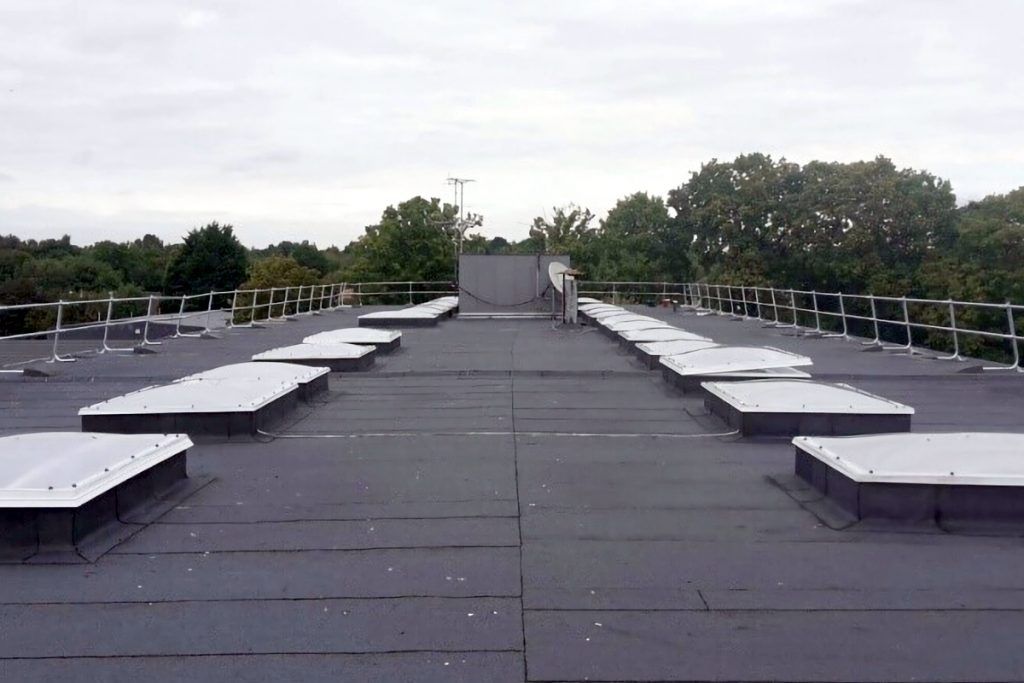
Flat roofs are a popular choice for both residential and commercial properties across Berkshire, Oxfordshire, London, and the Home Counties. They offer a sleek, modern look and can be more cost-effective than pitched roofs. However, choosing the right materials and maintaining a flat roof properly is crucial for long-term durability.
By Bondright Roofing October 28, 2024
Nestled along the banks of the River Thames, Henley-on-Thames is a historic town renowned for its stunning architecture, charming ambiance, and, of course, its world-famous Henley Royal Regatta. But beyond the rowing races and scenic riverside views, Henley boasts a rich history that can be observed in the buildings and structures that make up the town. Roofing, as an integral aspect of Henley’s architecture, offers an intriguing insight into the town’s evolution, from medieval times to today’s modern structures. Let’s dive into the fascinating history of Henley roofing and its unique connection to the town’s character.
By Bondright Roofing September 18, 2024
Your roof protects your home from the elements, but it won’t last forever. Recognizing when it’s time to replace it can save you from expensive repairs and keep your home safe and energy-efficient.
By Bondright Roofing September 18, 2024
When thinking about home energy efficiency, many focus on windows, insulation, or HVAC systems, but your roof plays a crucial role too. A well-maintained roof can reduce energy costs, improve comfort, and promote sustainability.