Booking a reroof for September: why now is the right time to start the conversation
If your roof needs replacing this year, the work happens in September, October, or November. The quote conversation happens now. That's not a sales pitch. It's just how reroof scheduling works, and understanding the timeline saves you money and stress.

Why most reroofs happen in autumn
September, October, and November are the busiest months of the year for roof replacement work, and there are good practical reasons for that.
Dry conditions without the heat. Summer gives you long days and dry weather, but high temperatures make working on pitched roofs genuinely uncomfortable and can affect some materials during installation. Autumn strips that problem out. You get stable, dry weather without July's heat.
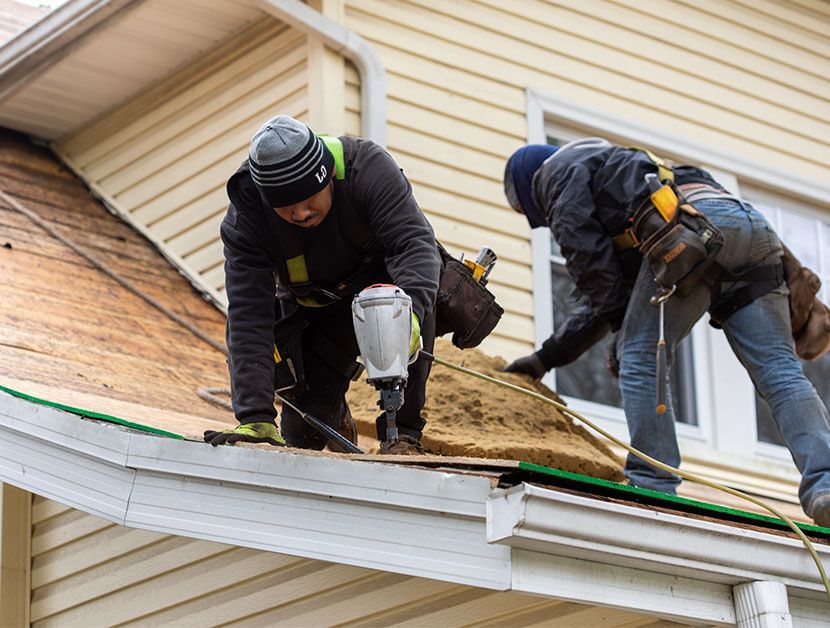
The window before winter. A full reroof takes several days, sometimes longer depending on the size and complexity of the property. You need a run of dry weather to strip and relay properly. By November that run becomes harder to guarantee. September and October sit in the sweet spot.
Scaffold availability. Scaffolding contractors are in high demand through the summer. The good ones get booked out. Autumn sees some of that pressure ease, which matters both for availability and for cost, something we'll come back to shortly.
This pattern holds across the properties we work on regularly. Older Victorian and Edwardian terraces in Reading and Caversham, larger detached houses in Henley-on-Thames and the surrounding villages, barn conversions out towards Nettlebed and Stoke Row. Different buildings, same scheduling logic. Autumn is when the work gets done well.
The timeline from quote to start
Most homeowners underestimate how long the gap is between agreeing to a reroof and the roofers arriving on site. For a domestic property, the realistic timeline from first conversation to work starting is six to twelve weeks.
That's not because the work itself takes that long. It's because of everything that has to happen first. A proper quote takes time to put together. The surveyor needs to visit, assess the roof in full, and specify the scope of work. That specification then has to be priced accurately, scaffold needs to be measured and costed, and materials need to be ordered. Reputable roofers, particularly those working to British Standard 5534, don't price a reroof from the pavement and send you a figure by email the same afternoon.
Then there's booking. Good roofing firms don't have gaps sitting open in their schedule. If you want a September start, and you contact a contractor in late August, you will almost certainly be told the earliest available slot is October or November at best. The September slots will already be gone.
Forty years of scheduling reroofs across the Thames Valley tells us the same thing every year. The homeowners who get the dates they want are the ones who start the conversation in June or July. The ones who wait until August are already chasing the tail end of the season.
If you're reading this in July, you're in exactly the right position to secure a September start. But the window is short.
What a proper quote actually covers
A quote for a full roof replacement is not a single number on a piece of paper. A detailed, accurate quote is a document that specifies exactly what work will be done, with what materials, by whom, and under what terms. If a quote doesn't cover all of these points, it isn't a proper quote.
Survey and scope. The first step is a physical survey of the roof. A roofer who quotes without getting on the roof or using a drone to inspect it closely is guessing. The survey establishes the condition of the deck, the state of the timbers, the flashings, the valleys, and any areas of previous repair. All of that affects the scope and the price.
Materials specified. The quote should name exactly what is being used. Not "tiles" but the specific product, profile, and colour. Not "lead" but the code weight and the standard it's being worked to. You need to be able to compare one quote to another on a like-for-like basis.
Scaffold cost. Scaffold is often quoted separately, and it's one of the larger line items on a reroof. The quote should show the scaffold cost clearly, not fold it into a lump sum. You should know what you're paying for.
Waste removal. Stripping a roof produces a significant volume of waste. Old tiles, felt, battens, and sometimes sections of damaged decking all need to go. The quote should confirm how waste is handled and whether skip hire is included.
Payment terms. Reputable contractors set out clear stage payments tied to progress on site, not large upfront deposits before a single tile has been touched. The quote should state the payment schedule plainly.
Guarantee. Ask what guarantee comes with the work and what it covers. NFRC-accredited contractors work to a standard that supports meaningful guarantees. A guarantee that covers materials but not workmanship is not much use to you.
When Bondright carries out a
roof survey before quoting, we go through all of these points. Nothing is assumed, and nothing is left vague for the homeowner to discover later.
Why booking in July saves you money
Scaffold pricing is not fixed year-round. It moves with demand, and demand peaks in late summer.
Scaffolding contractors serving the Reading and Henley areas run at high capacity from June through August. Builders, window companies, painters, and roofers all compete for the same scaffold crews and the same equipment. When demand is high, prices go up. That's not unusual, it's just how the market works.
The premium for booking scaffold in August versus July can be meaningful. Based on typical domestic reroof jobs in this area, the difference in scaffold cost alone between a mid-summer booking and a peak-August booking can run to several hundred pounds. On a full reroof, that's real money.
Booking your reroof in July, with a September start date, means your scaffold is contracted before the August peak. Your roofer can lock in the scaffold at the earlier rate. That saving flows directly to you.
There's a secondary benefit too. A July booking gives your contractor time to order materials without rushing. Supply chains for roofing materials aren't always instant. Ordering with a six-to-eight-week lead time means your roofer isn't chasing a delivery the week before work starts, which is when mistakes and delays happen.
Hamptons International, who use us as an approved contractor, understand this kind of scheduling detail. So do the property managers and estate agents across the Thames Valley who plan maintenance work properly. The principle is the same whether you're managing a portfolio or replacing the roof on your own home. Plan early, book early, save money.
Start with a free photographic survey
The first step isn't signing anything or committing to a date. It's understanding exactly what your roof needs.
Bondright offers a
free roof report, a photographic survey that gives you a clear picture of the roof's condition before any conversation about price. You'll see what we see, in images, with notes on what needs doing and why. That report is yours to keep and to use when comparing quotes.
From there, if a full replacement is the right course of action, we can put together a detailed quote for your
roof replacement services that covers everything described above, scope, scaffold, waste removal, payment terms, and guarantee.
July is the right time to start that conversation. Get in touch to book your survey and get on the autumn schedule before the slots go.