Is Your Roof Still Safe After a Storm? What to Check Immediately
Storms are a fact of life in the UK - strong winds, heavy rain, and sudden temperature changes can all take a toll on your roof. While some damage is obvious, much of it isn’t. In fact, many serious roofing issues start small and go unnoticed until they turn into costly repairs.
If your area has recently experienced a storm, here’s what you should check straight away to make sure your roof is still protecting your home properly.
1. Look for Missing or Dislodged Tiles
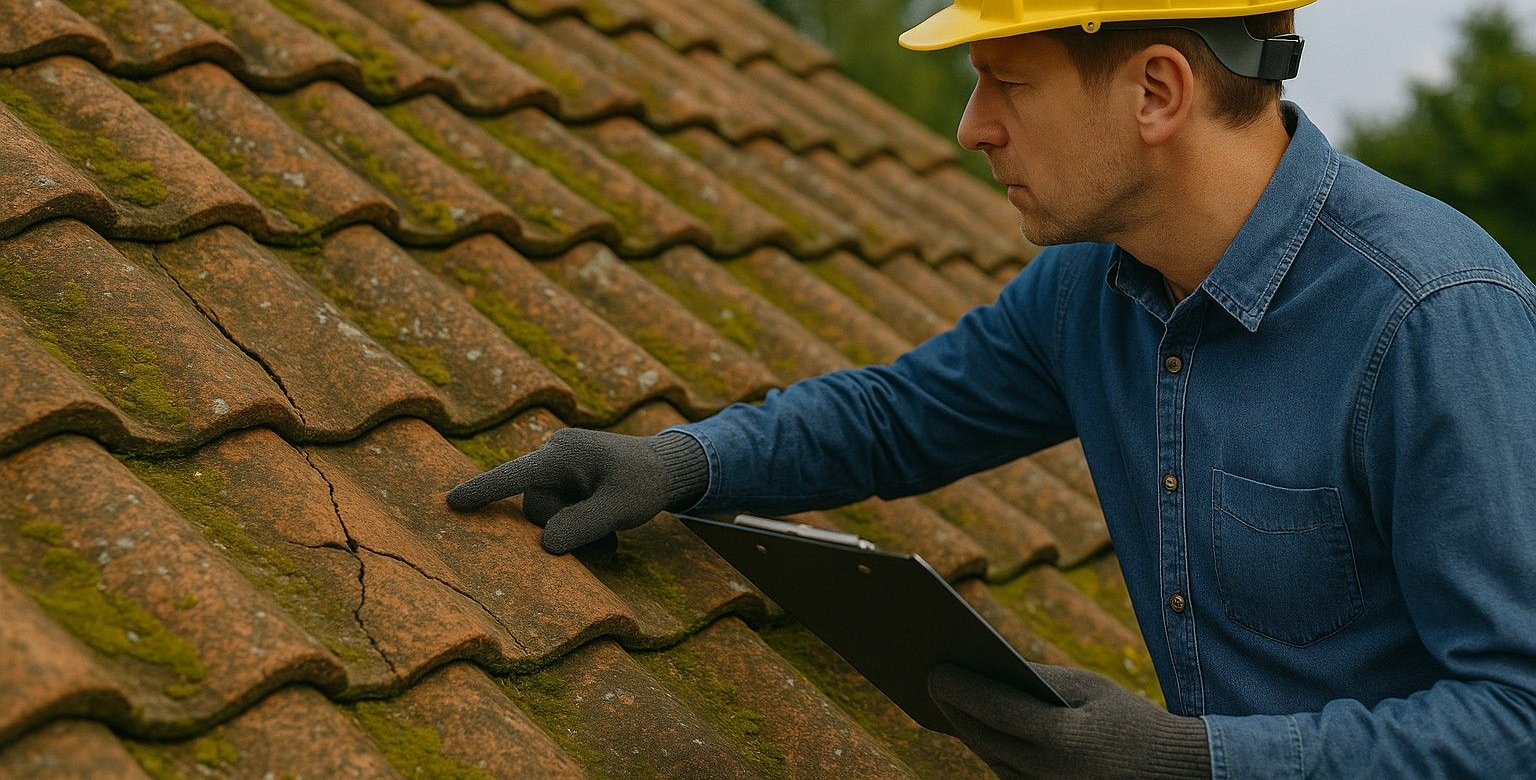
High winds are one of the biggest causes of roof damage. Even if tiles haven’t completely fallen off, they can shift, crack, or lift slightly.
What to look for:
- Gaps where tiles should be
- Tiles that appear uneven or out of line
- Broken or cracked tiles on the ground
Missing or loose tiles leave your roof exposed, allowing water to seep in during the next rainfall.
2. Check for Leaks or Damp Inside Your Home
Roof damage doesn’t always show immediately on the outside. Often, the first signs appear indoors.
Check:
- Ceilings for water stains or discolouration
- Loft or attic spaces for damp patches
- Walls near the roofline for bubbling paint or peeling wallpaper
Even a small leak can cause long-term structural damage if ignored.
3. Inspect Flashings and Roof Edges
Flashings (the metal strips around chimneys, vents, and roof joints) are designed to keep water out - but storms can loosen or bend them.
Warning signs include:
- Lifted or missing flashing
- Visible gaps around chimneys
- Water staining near roof joints
Damaged flashing is one of the most common causes of post-storm leaks.
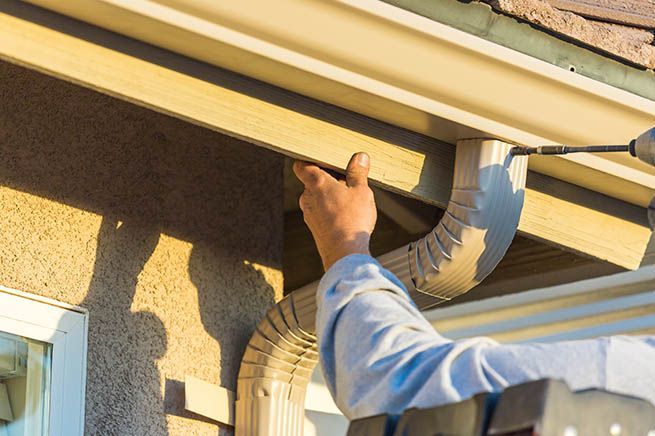
4. Don’t Forget Gutters and Downpipes
Storm debris can block gutters, causing rainwater to overflow back onto your roof or walls.
After a storm, check for:
- Overflowing or sagging gutters
- Detached or cracked downpipes
- Large amounts of leaves or debris
Blocked gutters can lead to damp walls, rotting fascia boards, and roof edge damage.
5. Check Ridge Tiles and Roof Peaks
Ridge tiles (the tiles at the very top of the roof) are particularly vulnerable in strong winds.
Look out for:
- Loose or missing ridge tiles
- Cracks in mortar
- Tiles that appear to have shifted
If ridge tiles fail, water can enter directly into the roof structure.
6. Be Careful - Safety First
It’s important not to climb onto your roof unless you’re trained and equipped to do so. Wet surfaces, loose tiles, and hidden damage can be extremely dangerous.
A visual check from ground level is usually enough to spot warning signs — anything more should be handled by a professional.
When to Call a Professional Roofer
If you notice any of the above issues - or even if you’re unsure - it’s best to get a professional inspection. What looks minor now can quickly become a major repair if left unchecked.
✅ Our advice:
A quick post-storm roof inspection can:
- Catch small problems early
- Prevent water damage and mould
- Save money on larger repairs later
If you’d like peace of mind after a storm, we offer honest, professional roof inspections and repairs, with clear advice and no unnecessary work.
👉 Get in touch with us today for a friendly check or quote - before small damage turns into a big problem.--