What we re-do every August: the cheap roof repairs that fail by summer
Every August we get a wave of calls from customers asking us to re-do work that another roofer did last year. The story is always the same, and the cost of the re-do is always more than doing it right the first time.
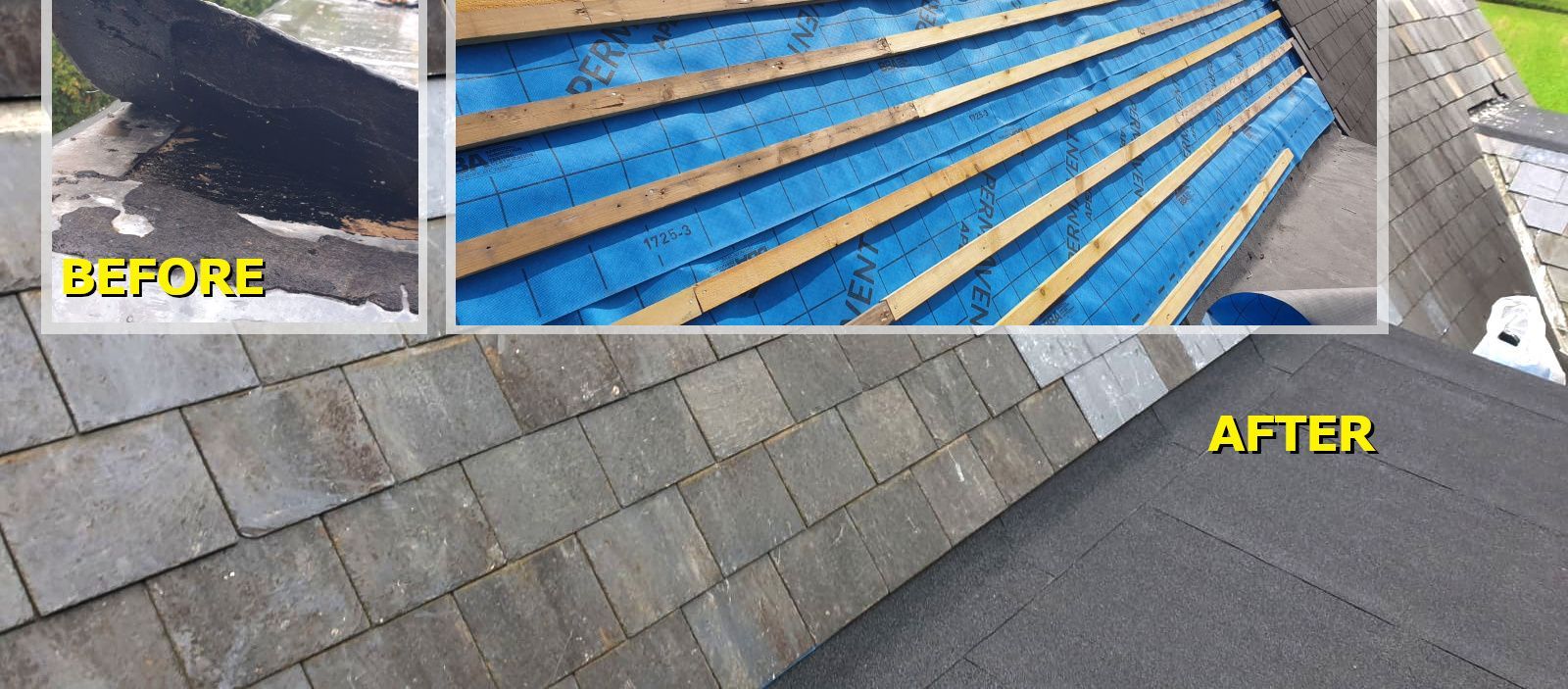
A job we saw this summer
A real Bondright case: a roof leak after a previous repair
A homeowner in Henley-on-Thames contacted Bondright Roofing after storm damage caused water to enter the loft. The property had recently had repair work carried out by another contractor, but the roof was still vulnerable to water ingress.
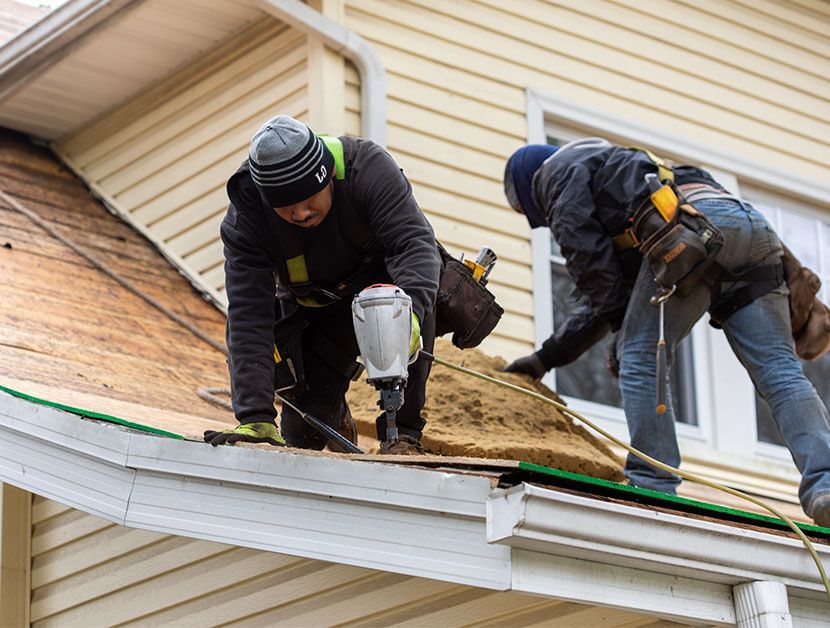
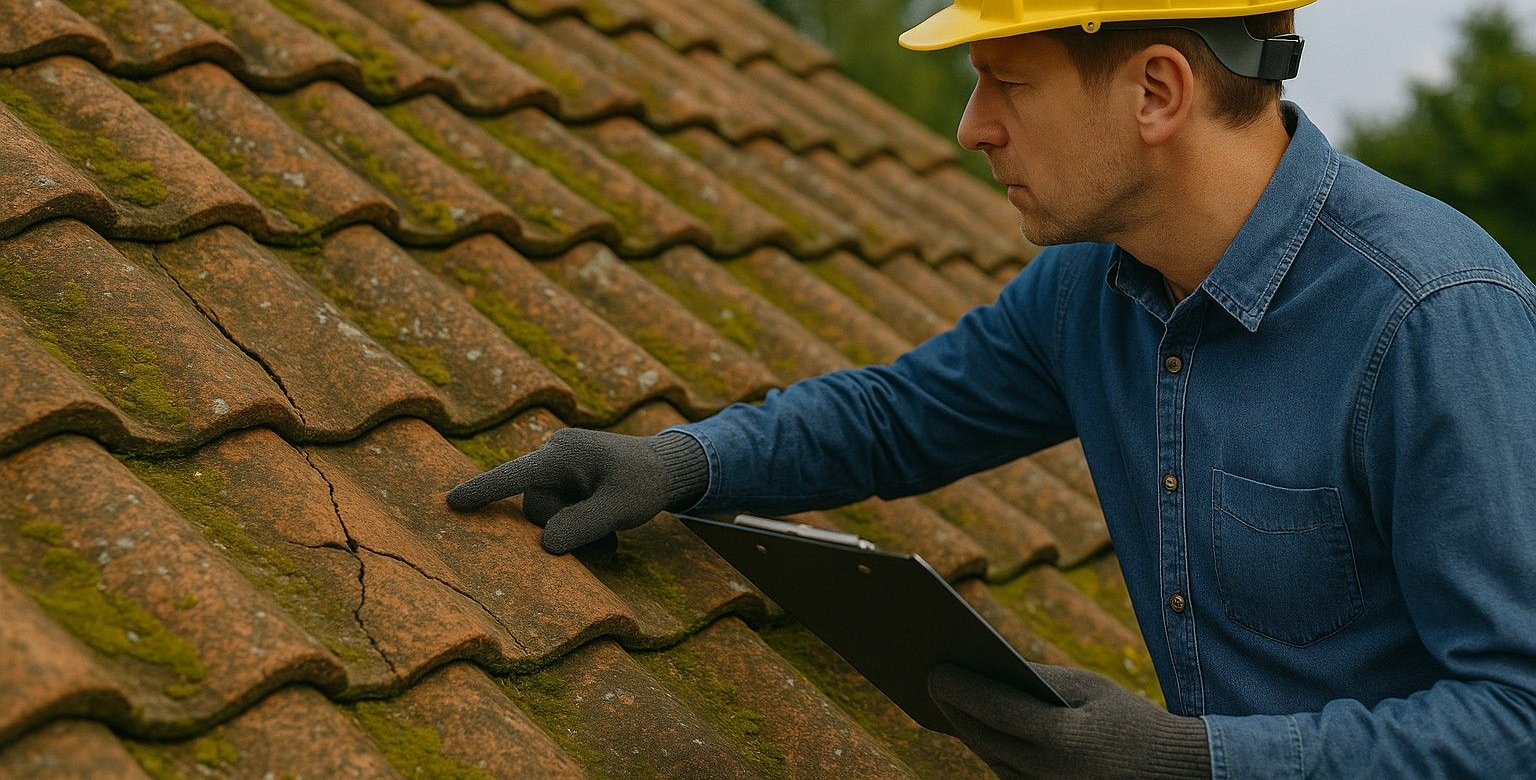
When Bondright's team arrived, they found missing and slipped natural slates, torn underlay and cracked battens on the windward slope. The previous repair had also used methods that were not suitable for a traditional slate roof, leaving the affected area in significant disrepair.
Bondright made the roof watertight that same evening, using a temporary breathable covering and securing vulnerable areas before returning the following day to complete the permanent repair. The damaged battens and underlay were replaced, matching natural slates were installed, and the ridge, leadwork and drainage were checked and repaired where necessary.
By the end of the work, the roof was watertight and better prepared to withstand future storms. The case shows why finding the actual source of water ingress matters. Simply patching the area where a leak appears may not address the underlying problem.
The homeowner's identity and exact property details have been kept anonymous for privacy.
This kind of job is not unusual for us. Over 40 years working across the Thames Valley, we have seen the same patterns repeat. A cheap repair holds through autumn and winter, just about. Then summer arrives, and it falls apart. By August, the phone starts ringing.
The homeowner is frustrated, often embarrassed, and always out of pocket. They trusted someone who gave them a low price. That is not a character flaw. It is a reasonable thing to do when you have no way of knowing what a fair price looks like.
What follows is what we have learned from re-doing those jobs, year after year.
Why cheap repairs fail in summer specifically
It is not a coincidence that the calls come in August. Summer is when poor materials and poor workmanship get exposed.
UV degradation. Cheap sealants and patching compounds break down under sustained ultraviolet exposure. A product that looks solid in October can be cracking and pulling away from the substrate by July. Reputable materials are formulated to resist UV. Budget alternatives often are not, and there is no way to tell from the outside.
Silicone failing in heat. Silicone is not a roofing material. It is a gap-filler, and roofers who use it as a primary fix are cutting corners. In cold or mild weather it can mask a problem for months. In summer heat it softens, loses adhesion, and lets water in. We regularly find silicone packed into flashings, around chimney stacks, and along valley joints where proper lead or mortar work should have been done.
Undersized or poorly dressed lead. Lead is a living material. It expands and contracts with temperature. When it is cut too short, fixed incorrectly, or not given the movement joints it needs, it fatigues. Summer heat accelerates that process. A flashing dressed in a hurry with inadequate fixings may survive one winter but will lift, crack, or pull clear of the wall by midsummer. Our lead work follows Lead Sheet Training Academy standards precisely because thermal movement is predictable, and the correct method accounts for it.
The common thread is that cheap repairs are built to win the job, not to last the weather.
The five hidden costs of a cheap repair
The low quote looks attractive at the point of decision. By the time the job has failed, the real cost is considerably higher. Here is where that cost accumulates.
Repeat callout charges. When the repair fails, someone has to come back. If the original roofer returns, you may be charged again for what should have been covered. If they do not return, or cannot be reached, you are paying a second roofer to assess and re-do the work from scratch.
Secondary damage. A failed repair rarely fails cleanly. Water that gets in through a botched flashing or a poorly bedded tile does not stay at the roof surface. It travels. By the time you notice damp on a ceiling in Wargrave or Kidmore End, the water may have been sitting in the roof structure for weeks. Wet timbers, damaged insulation, and stained plasterwork all cost money to put right, and none of that was in the original quote.
Voided guarantees on adjacent work. If you have had other work done recently, a poor repair nearby can compromise it. Water ingress does not respect the boundaries of one contractor's work. Guarantees on roofing materials and systems typically require correct installation throughout. A cheap fix in one area can create conditions that void cover elsewhere.
Insurance complications. Most home insurance policies require that maintenance is carried out to a reasonable standard. If an insurer investigates a claim and finds that a repair was done with unsuitable materials or by an unregistered contractor, they may reduce or reject the claim. This is not a theoretical risk. We have spoken to homeowners in this situation. It is a painful conversation.
Paying twice. This is the one that stings most. The homeowner who chose the £300 quote over the £600 quote ends up spending £900: the original job, the re-do, and often some remedial work in between. The saving was never real. It was deferred cost.
None of this is meant as a lecture. Most people who get caught out by a cheap repair had no reason to suspect it would fail. But knowing where the hidden costs live makes it easier to weigh up quotes honestly.
How to spot a cheap quote at the quote stage
Some warning signs are visible before any work starts.
No written specification. A professional roofer will tell you what materials they are using, what standard they are working to, and what the job involves. If a quote is a single figure with no detail, you have no way of knowing what you are buying.
Cold callers after a storm. Every time there is significant weather across the Thames Valley, we hear from homeowners who have been approached door-to-door by roofers claiming to have spotted damage. Some of these callers are legitimate. Many are not. A roofer who knocks unsolicited and pushes for a quick decision is not working in your interest. If someone approaches you this way, ask for written identification, a business address, and time to get a second opinion. A trustworthy contractor will not object.
No accreditation. NFRC membership means a contractor has been assessed against industry standards and carries appropriate insurance. It is not a guarantee of quality on its own, but its absence is a signal worth noting. Ask to see it.
Vague timescales. A roofer who cannot tell you when the job will be done, or who pressures you to sign before you have thought it through, is not giving you the respect the decision deserves.
Cash only, no VAT. This is not always a red flag on smaller jobs, but combined with other warning signs it suggests a contractor who is not operating transparently.
You do not need to be suspicious of every tradesperson. Most roofers are honest. But these patterns, particularly the cold-caller approach after a storm, appear often enough that they are worth knowing.
Start with a survey, not a guess
The most reliable way to avoid paying for a repair that fails is to know exactly what needs doing before anyone starts. That means a proper inspection, not a quick look from the ground.
Our
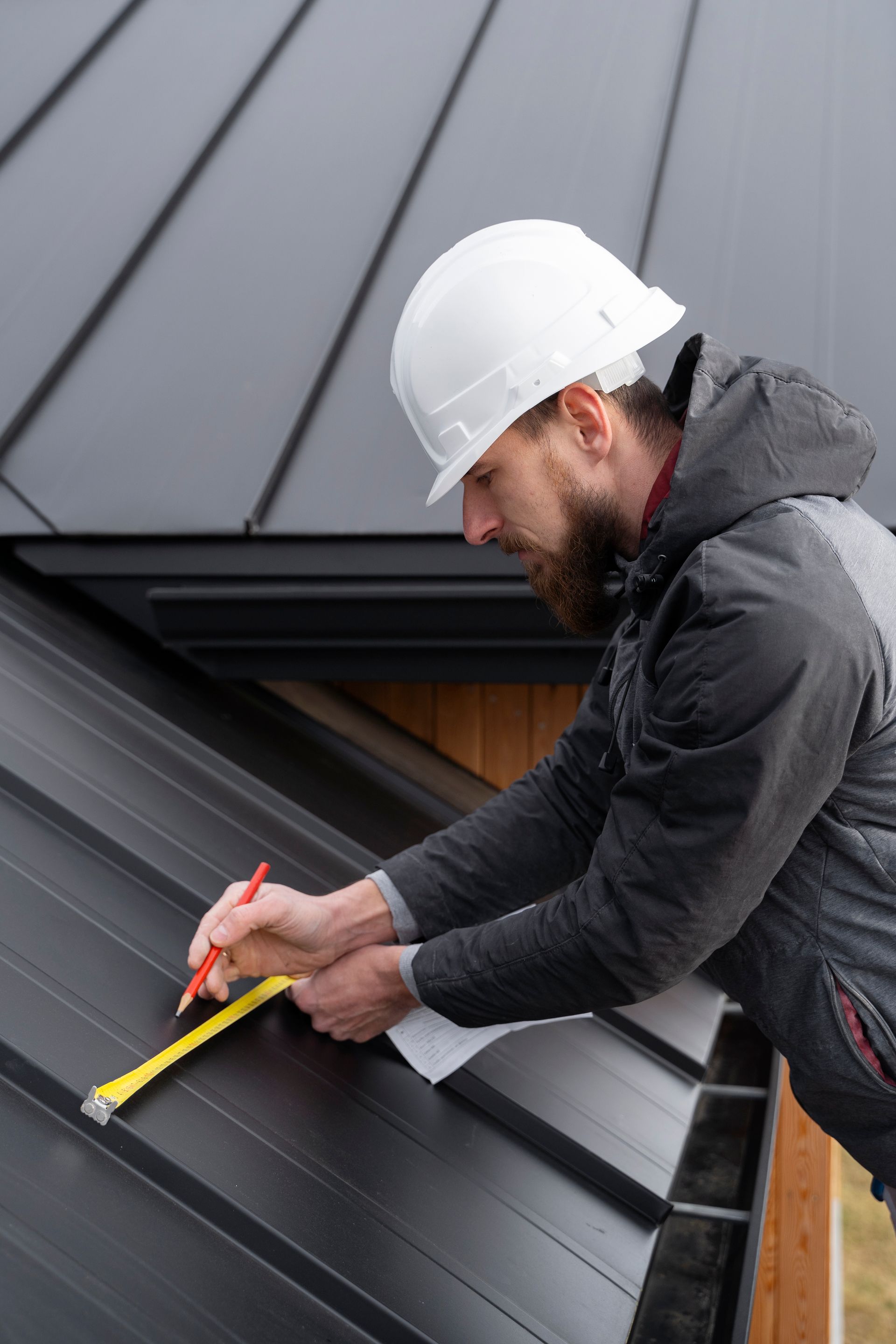
free roof survey gives you a written photographic report of your roof's condition. We photograph what we find, explain what it means, and tell you what work is actually needed. There is no pressure to book anything. If the roof is fine, we will tell you that too.
It is the kind of honest scoping that means you can compare quotes on a level basis, because every roofer is quoting for the same job. You can read more about how we work on our
about Bondright Roofing page.
If you have had a repair done recently and you are not sure it was done properly, or if you are comparing quotes and something feels off, get in touch. Our
professional roof repair service covers everything from a single flashing to a full re-roof, and we will always tell you what you actually need rather than what produces the largest job.