Fascia and soffit signs: how to know when the timber underneath is gone
Peeling paint on a fascia means the timber underneath has been wet for at least a year. By the time you can see it, you can't save it.
Why timber fascias rot
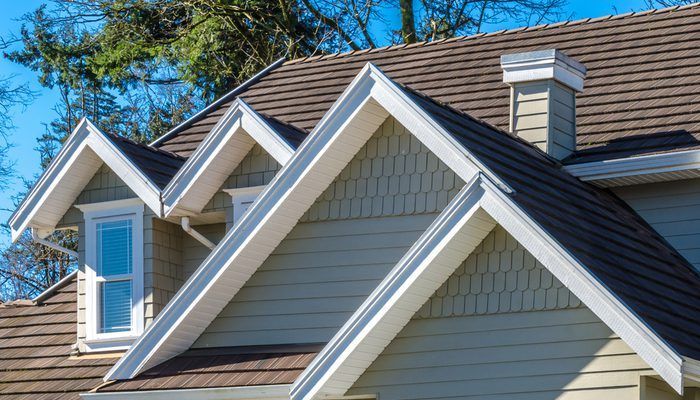
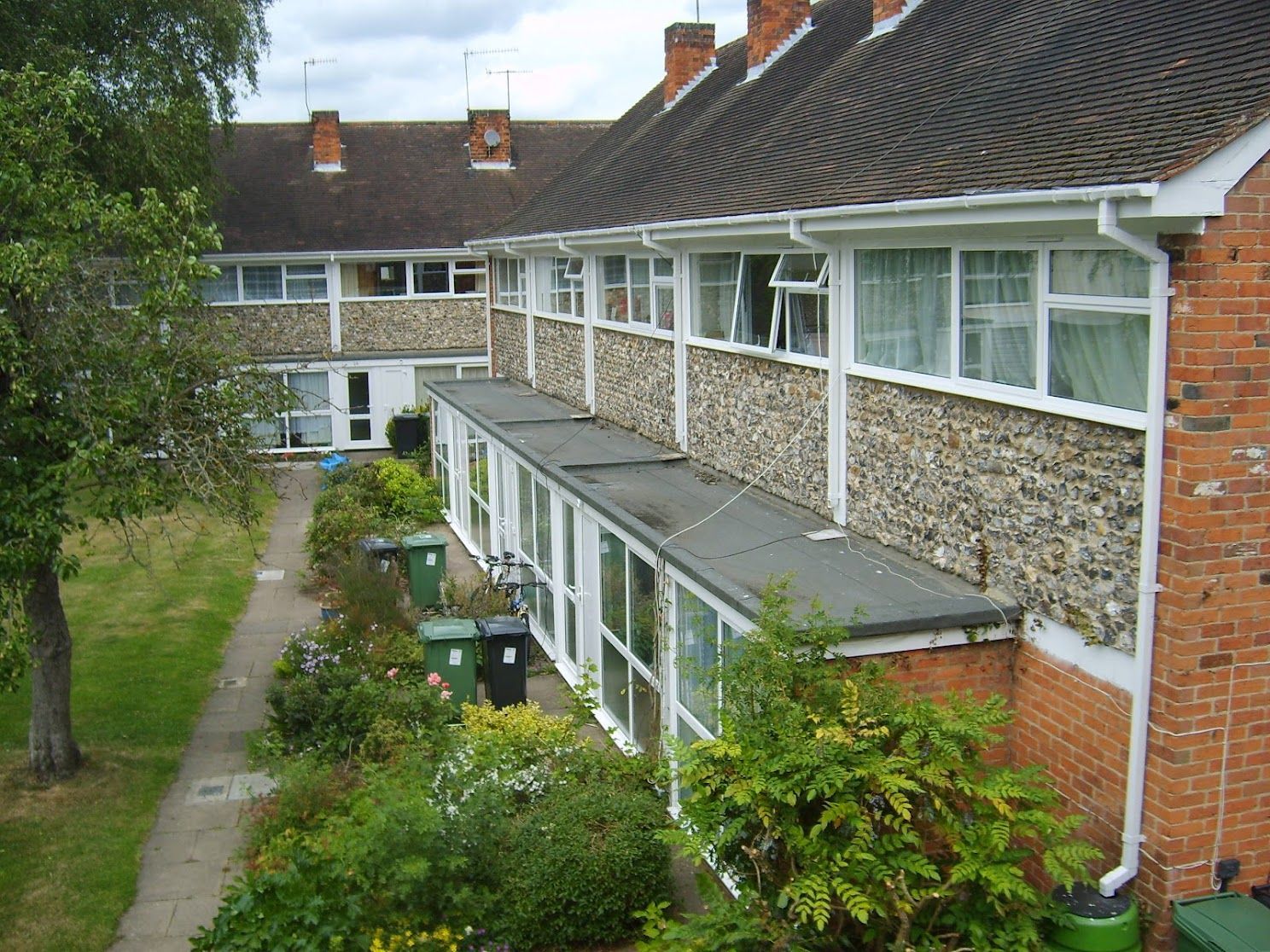
The fascia is the board that runs along the eaves of your roof, fixed to the rafter ends. The soffit sits beneath it, closing off the gap between the fascia and the wall. Together, they protect the structure behind them. When they fail, water gets into places it was never meant to reach.
Rot almost always starts behind the gutter. Gutters overflow, block, or pull away slightly from the fascia, and water runs back rather than forward. That water sits against the timber. It can't dry out because the gutter is in the way. Over months and years, the timber absorbs it.
Paint failure makes things worse. Once the surface coat cracks or flakes, moisture enters through the exposed grain. The board swells and contracts with every wet-dry cycle. The paint lifts further. Each winter, the process accelerates.
Ventilation plays a part too. Soffits are supposed to allow air to circulate into the roof space. When that ventilation is blocked, either by a previous repair or by a soffit board that was installed without vents, the trapped moisture has nowhere to go. The timber stays damp for longer after each rain event, and rot takes hold faster.
The problem is that none of this is visible from the ground until the damage is advanced. By the time you notice the paint peeling or the board looking soft at the edges, the rot has usually spread well beyond what you can see. Painting over it, or filling it, delays the inevitable by a few months at most. It doesn't stop the process.
The four signs that mean replacement, not painting
There are four things to look for when you're trying to work out whether your fascias and soffits need replacing rather than touching up. Each one tells you something specific about how far the damage has gone.
Visible rot or softness in the timber. Press the board with a finger or a screwdriver handle. Sound timber is firm. Rotten timber gives, sometimes slightly, sometimes dramatically. If there's any give at all, the board is compromised. Painting over it won't restore the structural integrity. The rot will continue beneath the new coat, and you'll be back in the same position within a season.
Sagging or bowing along the board. A fascia that has lost its shape has lost its strength. Sagging usually means the timber has been wet long enough to distort. It also means the gutter fixed to it is no longer sitting at the correct fall, which compounds the drainage problem. Water pools, overflow happens more frequently, and the cycle continues.
The fascia separating from the rafter ends. Look along the eaves for gaps between the fascia board and the rafter ends it's fixed to. When timber rots, fixings lose their grip. The board starts to pull away. This is one of the more serious signs, because once the fascia is no longer properly secured, the guttering attached to it becomes unreliable. In high winds, sections can come away entirely.
Wasps or birds nesting in the soffit cavity. This one surprises people, but it's a reliable indicator. Wasps and birds don't create their own entry points into a sound soffit. They use gaps that are already there. If you've had a wasp nest in the eaves, or you're watching birds disappear into the soffit line, there's a breach somewhere. That breach almost certainly means the board has failed at that point.
Any one of these signs is enough to warrant a proper inspection. If you're seeing two or more, replacement is the right course of action.
What proper replacement involves
Fascia and soffit replacement isn't a job that should be rushed. Done properly, it takes time and a methodical approach. Done quickly, it can conceal problems that come back to cause serious damage within a few years.
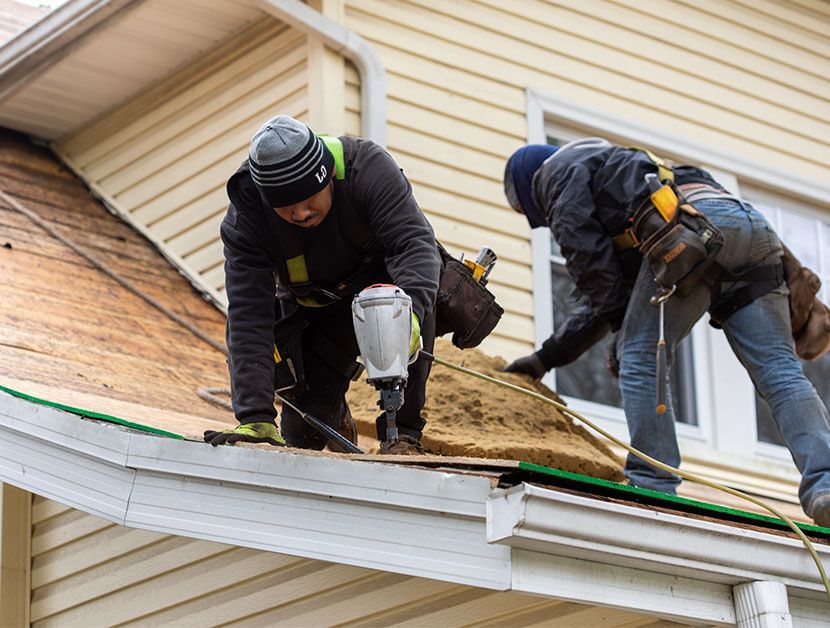
The first stage is stripping back the existing boards. That means removing the guttering, taking off the old fascia and soffit, and exposing the rafter ends. This is where the actual condition of the structure becomes clear. In many cases, the rafter ends themselves have taken some moisture and need treating. In worse cases, individual rafter ends need cutting back and splicing, or replacing entirely. Any roofer who fits new boards directly over old ones without checking the rafter ends is cutting a corner that matters.
Once the rafter ends are sound, the new boards go on. For most properties, PVCu is the standard choice. It doesn't rot, doesn't need painting, and carries a long service life. For properties in conservation areas, or listed buildings, the situation is different.
Some Henley-on-Thames properties sit within conservation areas where planning guidance requires a timber match rather than PVCu. If you're in that position, it's worth checking with the local authority before any work starts. A good installer will know this and will advise you accordingly.
The guttering is then reinstated. New gutter brackets are fixed to the new fascia at the correct fall, and the guttering is refitted or replaced as needed.
The step that cheaper installers often miss is ventilation. Soffits should allow air to move into the roof space. If the replacement soffit boards go on without ventilation inserts, or if the existing vents aren't reinstated, the roof space loses its air circulation. That leads to condensation, and in time, to the same moisture problems that caused the original rot. After 40 years in this trade, we've seen plenty of roofs where a previous installer skipped this step and the homeowner was none the wiser until problems appeared five years later. Ventilation is not optional. It's part of the job.
What it costs in 2026
Fascia and soffit replacement is priced per linear metre of installed board. In 2026, you should expect to pay in the region of £90 to £130 per metre fitted, including materials, labour, and the reinstatement of guttering.
For a typical three-bedroom semi-detached house, the total run of fascia and soffit is usually somewhere between 20 and 30 metres when you include all elevations. That puts the job in the range of £1,800 to £3,200 for most properties of that size.
The variation within that range comes down to a few things. Access affects cost, particularly on detached houses where scaffolding is needed on all four sides. The condition of the rafter ends matters too. If several need cutting back and treating, or if any need replacing, that adds time and materials. Timber specification, for conservation-area properties, also affects the price.
The 1930s semi-detached housing that runs through much of Reading and its surrounding suburbs, Caversham, Earley, Tilehurst, and similar areas, tends to have fairly straightforward eaves geometry, which keeps costs toward the lower end of the range. Properties with hipped roofs, dormers, or bay windows take longer and cost more.
Get a written quote that breaks down the metre rate, the scope of rafter-end work anticipated, and what happens to the guttering. If a quote doesn't explain those things, ask.
Get a clear picture before you commit to anything
If you're not sure how far the damage has gone, a survey is the right starting point. We carry out a free roofline survey that includes photographs of the fascia, soffit, and gutter condition across the whole property. You get a written report showing exactly what's failed, what's borderline, and what's still sound. That gives you something concrete to work from, whether you go ahead with us or not.
It also fits into the broader picture of
roof maintenance. Fascias and soffits are part of the roofline system, and their condition affects how well everything above them performs.
If you'd like to book a survey, or if you want to talk through what you've seen and get a sense of whether it warrants urgent attention, visit our
fascia and soffit replacement page to find out more or get in touch.